Stanbic IBTC Bank, a subsidiary of Stanbic IBTC Holdings, has recently held its annual Global Markets Economic Outlook forum, bringing together key stakeholders, industry leaders, and clients to assess global economic trends and Nigeria’s strategic position. The event, themed ‘Global Economic Trends and Nigeria’s Position’, underscored the company’s commitment to providing insights that empower businesses to navigate a complex economic landscape.
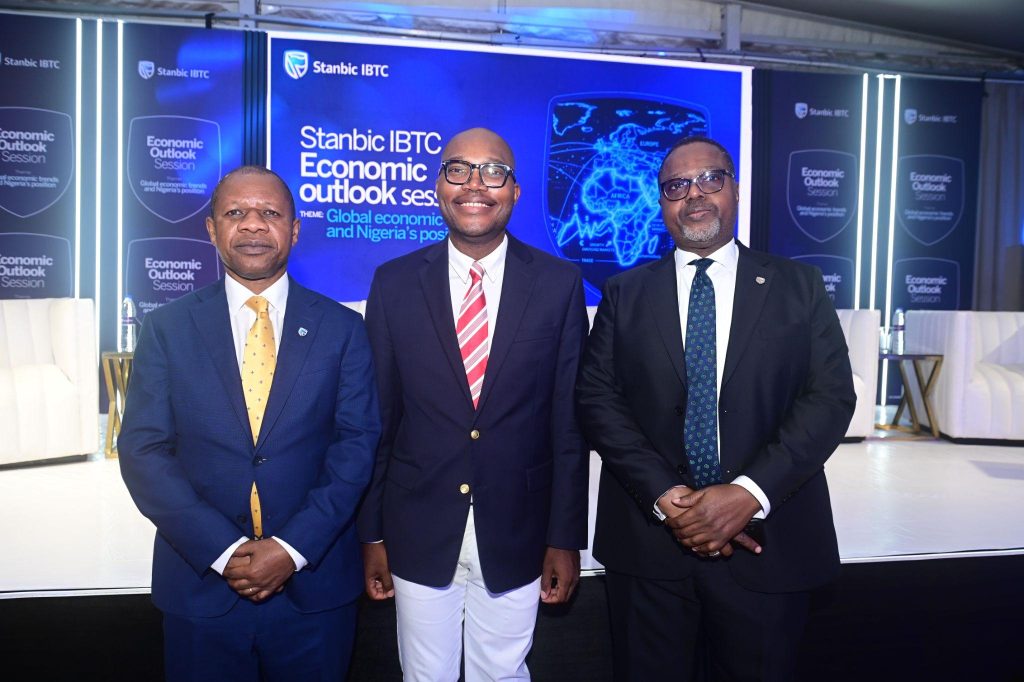
The session featured presentations from the Bank’s economists and market analysts, who addressed key global developments impacting emerging markets. The discussions also examined shifting monetary policy directions among major central banks, evolving commodity price dynamics, and the accelerating pace of technological transformation within the global banking and financial services sector – particularly the growing role of digital infrastructure, artificial intelligence, and innovation in shaping competitiveness and service delivery.
In a keynote address, Dr. Christian Ebeke, Resident Representative for Nigeria, International Monetary Fund (IMF), shed light on Nigeria’s optimistic outlook. He highlighted several factors, including rising hydrocarbon prices, decreasing global financing costs, and tax reforms that took effect in January 2026, all of which could help the country surpass its revenue targets. He also pointed out the advantages associated with enhanced state policing.
Dr. Ebeke stated in his presentation that Nigeria should capitalise on immediate opportunities. This includes securing oil pipelines, improving electricity infrastructure, and shifting investment from government securities to the private sector.
On Nigeria’s position, the session focused on the country’s trade trajectory within global supply chains, opportunities for export diversification, and the role of foreign exchange stability in supporting investor confidence amid an unpredictable external environment.
Eric Fajemisin, Executive Director, Corporate & Transaction Banking, Stanbic IBTC Bank, said the forum reflects the bank’s continued commitment to keeping clients ahead of global shifts that have direct implications for their businesses.
“As global trade patterns continue to realign, it’s important that our clients understand not just what is happening, but what it means for their operations and growth strategies. This forum is part of our ongoing effort to translate global trends into actionable insights for businesses operating in Nigeria,” he said.
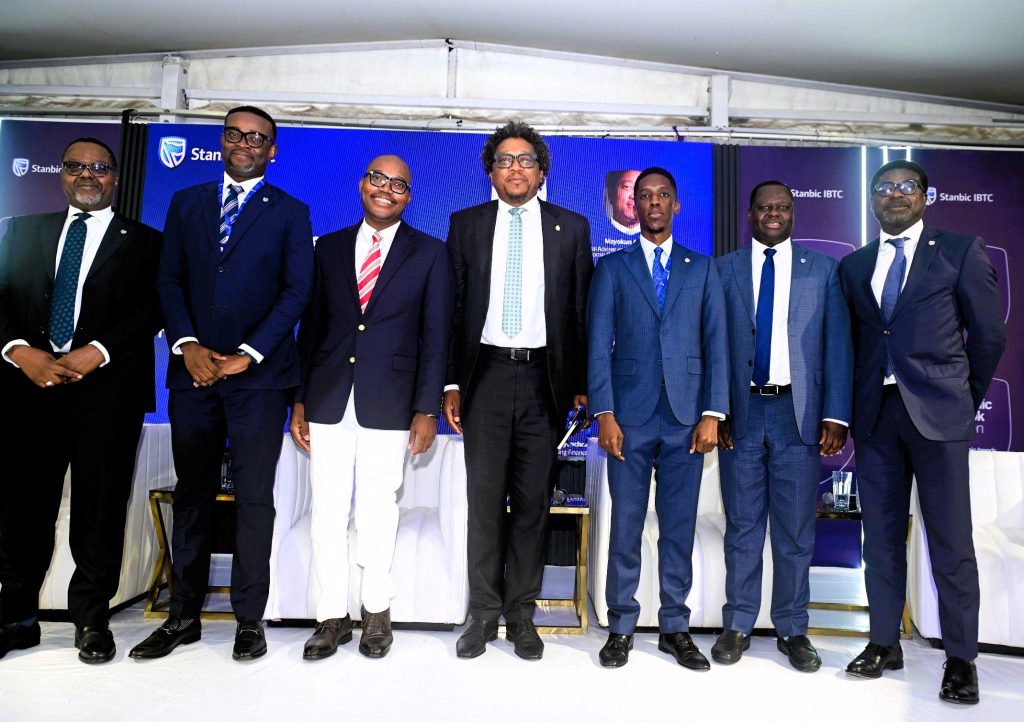
Mayokun Ajibade, Special Adviser on Financial Markets and Economic Policy to the Governor of the Central Bank of Nigeria, participated in a panel discussion during the event where he emphasised the necessity of addressing excessive liquidity in the banking system as a sustainable means of combating inflation.
Mayokun expressed the importance of a balanced approach, advocating for a focus on lowering inflation before pursuing interest rate reductions; noting that the Nigerian banking system has too much liquidity, therefore a decline in interest rates should not be expected without first addressing inflation.
The panellists also shared tailored solutions addressing challenges such as FX hedging, liquidity management, and trade finance. Experts from Stanbic IBTC Bank, including Toborena Enachwo and Wonuola Akanbi, engaged in dynamic discussions focusing on tools designed to help clients manage volatility effectively while optimising their cross-border operations.
Dare Otitoju, Head, Global Markets, Nigeria, Stanbic IBTC Bank, highlighted Nigeria’s growing relevance in global trade conversations, noting the country’s potential to strengthen its position as a trade and investment hub on the continent.
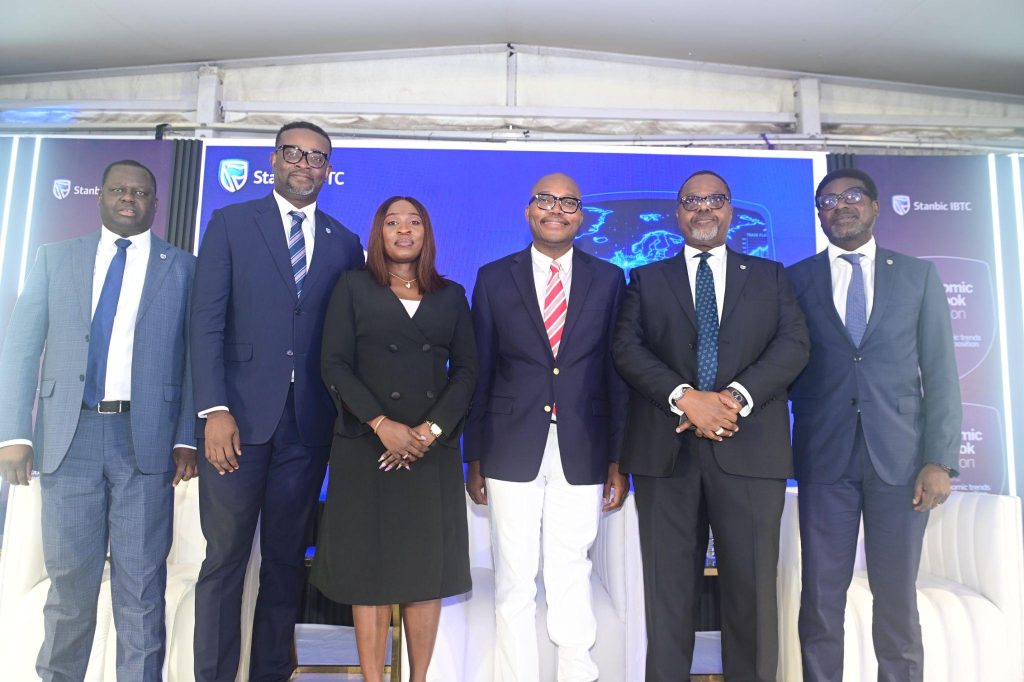
“Nigerians should look forward to a transition from stabilisation to selective growth. Global “higher for longer” rates indicate that capital will reward countries with policy consistency, which Nigeria is building, post-reforms. Key areas to watch include infrastructure funding, gas and manufacturing, and capital market opportunities as FX becomes more predictable. The Outlook message was clear: while 2026 may not be a boom year, prepared individuals and businesses will find real opportunities. That’s the plan we want Nigerians to leave with.”
Speaking on the growing intersection of technology and finance, Otitoju noted that digital transformation remains central to how the bank serves clients in a fast-changing environment.
“Across the banking industry globally, technology is no longer just an enabler; it is increasingly defining how institutions deliver value, manage risk, and build resilience. At Stanbic IBTC, we continue to invest in digital capabilities that allow us to respond to our clients’ needs with speed, precision, and insight, especially in times when global uncertainty demands faster, smarter decision-making,” he said.
The forum also created an opportunity for attendees to engage directly with the Bank’s research and advisory teams, with discussions extending to interest rate expectations, exchange rate outlook, and sector-specific opportunities across agriculture, manufacturing, and services. Attendees noted the value of the session in helping them contextualise global developments within their own business planning.
As global economic conditions continue to evolve, Stanbic IBTC Bank reaffirmed its commitment to providing clients with insights, tools, and partnerships needed to navigate uncertainty and seize emerging opportunities, both within Nigeria and across its expanding role in global trade.